

An African safari is unlike any other travel experience—it has the power to be life-changing and truly unforgettable. Tanzania, often considered the best safari destination in the world, offers some of the most stunning landscapes and diverse ecosystems in East Africa. While a safari in Tanzania is an incredible adventure, it can also feel intimidating, especially for first-time safari-goers. There are so many unknowns but don’t let that deter you from checking this magical experience off your bucket list.
Planning a trip to Tanzania and you’re wondering what to expect on a safari in Tanzania, keep reading to help you prepare for an incredible experience.
What to Expect on Safari:
How to Get to Safari
Most safari companies in Tanzania are based in Arusha, one of the country’s largest cities and a gateway to the northern safari circuit. If you’re planning a safari, you’ll likely spend a night in Arusha either before or after your trip. The nearest airport is Kilimanjaro International Airport (KIA), located approximately 28 mi (45 km) from the city. I recommend arriving in Arusha the day before your safari begins to ensure you’re well-rested and ready for the adventure ahead.
Our safari operator, Excited Expedition, will provide a seamless start to your journey by meeting you at the airport. Alternatively, many operators, including Excited Expedition, offer pick-up services from hotels in Arusha. you will get a brief at their office or right at the overnight Hotel and finalize paperwork and meet our guide, we were on the road by 10 a.m., heading to our first destination: Tarangire National Park.
The scenic drive to Tarangire took a little over three hours. The journey offered a glimpse into life in the towns and villages we passed through. Though the drive was long, the beautiful scenery made for an enjoyable start to our safari.

The Big Five
Before embarking on a safari in Tanzania, you’ll likely hear a lot about the “Big Five.” The term dates back to the era of big game hunting and originally referred to the five most challenging animals to hunt on foot. Today, the Big Five—lion, leopard, elephant, rhinoceros, and buffalo—are some of the most sought-after sightings for wildlife photography.
Our safari guides are exceptional, they are able to spot wildlife from what seemed like impossible distances. They’re not only having great eyes but also a wealth of knowledge about each species, offering insights into their behavior and habitats. You can see some of the Big Five within the first two days of your trip as some of them are very rare. having extra days for your safari is a reward as it can give you a chance to see the rhinoceros—the most challenging of the Big Five to locate in Tanzania.
While the Big Five often take center stage, Tanzania’s diverse wildlife extends beyond these popular animals. The country is home to an array of species. Giraffes, zebras, and wildebeest roam the plains. Hippos can be found in waterholes, hyenas prowl the savannah, and cheetahs can be seen hunting with unmatched speed. Other sightings may include warthogs, jackals, gazelles, crocodiles, and monkeys, as well as a variety of bird species.
Everywhere you turn, the Tanzanian wilderness is alive with activity. While the Big Five are undeniably exciting, some of my most memorable moments came from observing the smaller, less-hyped animals. Sit back, relax, and enjoy the experience without becoming too focused on checking off the Big Five. The most rewarding part of safari is the opportunity to simply connect with nature.

Game Drives
A game drive is the most popular way to experience Tanzania’s incredible wildlife. Using a 4×4 vehicle, you’ll venture into the parks to spot animals in their natural habitat. Most safaris include morning and afternoon drives, with private safaris offering flexibility in timing and duration. I recommend spending as much time as possible in the parks to maximize your experience.
During the safari with Excited Expedition, our drivers will start around 8 a.m. and lasted until dusk, with a short break for lunch. While the days were long, they were exciting and filled with unforgettable moments. Expect to remain in the vehicle for much of the day, as walking outside is often unsafe due to wildlife. Some of the parks have designated picnic areas and restrooms.
Tips for Game Drives
- Bring a camera with a zoom lens to capture detailed shots from a distance.
- Pack a pair of binoculars for a closer look at animals and birds.
- Dress in layers to adapt to changing temperatures throughout the day.
- Use sunscreen and wear a wide-brimmed hat to protect yourself from the sun.

Safari Vehicles
A private safari was selected to ensure a personalized and flexible experience, free from the limitations of group travel. This approach allowed for greater comfort and the ability to focus fully on wildlife viewing during game drives. The safari is conducted in a modern Toyota Land Cruiser that was clean, well maintained, and spacious, offering ample room to move and relax throughout the journey.
The vehicle was purpose-built for safari use, featuring large panoramic windows and a pop-up roof that provided unobstructed views and excellent opportunities for photography. Additional amenities included a power inverter for charging electronic devices and a cooler stocked with drinking water, ensuring comfort and convenience throughout the experience.

Safari Lodges
Tanzania offers a wide range of safari accommodations, from campgrounds and budget lodges to luxurious, all-inclusive lodges. Most safari operators have established relationships with specific lodges and camps and will provide you with a curated list of options to choose from. While accommodations are important, you won’t have much downtime during your safari, so don’t make lodging your top priority.
I opted for a mid-luxury safari package with Excited Expedition, which included a mix of budget and luxury lodges and camps. All of the accommodations were clean, comfortable, and surrounded by stunning landscapes. The staff at each location were incredibly friendly, going above and beyond to make my stay enjoyable.
What to Expect at Safari Lodges
During the safari, you will explore a different park each day, so expect staying at a new lodge almost every night. As the sun began to set, you’d wrap up the day’s game drive and head to the lodge for the evening. Safari days are incredible but are also long and can be exhausting.
Most evenings are spent relaxing, enjoying dinner, and going to bed early to prepare for the next day’s adventure. After a full day of wildlife viewing, I found myself looking forward to a refreshing shower—it gets especially dusty during the dry season. If you do find yourself with some downtime, many luxury lodges offer extra amenities like pools or spas.
Dining at Safari Lodges
Most lodges are inclusive of breakfast and dinner. The quality of the food was generally good, though some meals stood out more than others. Breakfast is especially important, as it sets you up for long game drives, so I recommend opting for a hearty, nutritious meal in the morning.
For lunch, lodges typically supply a packed lunch box to take on your drives. These are usually simple, non-perishable meals designed to last several hours in the vehicle. While they’re sufficient to keep you fueled throughout the day, they aren’t super filling so you may want to bring some additional snacks.
A buffet-style dinner is common in many of the camps and lodges. However, some of the more upscale lodges may offer a pre-fixed dinner menu featuring multiple courses and an elevated dining experience.

The Safari Circuits
Tanzania is known for its breathtaking national parks and game reserves, offering some of the best safari experiences in the world. Given its large size, it has been divided into two primary regions: the Northern Circuit and the Southern Circuit. Each circuit offers a unique safari experience.
The parks you visit within each circuit are often determined by the season, as wildlife movements and activity vary throughout the year. A reputable safari operator will provide a curated itinerary and offer expert recommendations on the best parks to visit.
The Northern Circuit
The Northern Circuit is Tanzania’s most popular safari route and the circuit . It includes world-famous parks such as Serengeti National Park and Ngorongoro Crater, along with lesser-known gems like Tarangire National Park and Lake Manyara National Park.
This circuit is known for its incredible concentration of wildlife, including the opportunity to spot the “Big Five” (lion, leopard, elephant, rhinoceros, and buffalo). Depending on the season, visitors may also witness the Great Migration, a movement of millions of wildebeest, hundreds of thousands of zebras, and other grazers across the Serengeti’s plains.
The Southern Circuit
In contrast, the Southern Circuit offers a more remote and intimate safari experience. Located closer to Tanzania’s southern border and the coastal city of Dar es Salaam, this circuit includes Selous Game Reserve, Ruaha National Park, Katavi National Park, and Mahale National Park.
Unlike the Northern Circuit, many parks in the south are not accessible by road and require air travel. This remoteness results in fewer visitors, allowing for a quieter and more personal experience. Walking safaris are more common in the Southern Circuit, providing a unique way to explore the landscape. However, it’s important to note that not all of the “Big Five” can be seen in this region.

Tanzania’s Most Popular Parks
Tarangire National Park
Tarangire National Park, located in Tanzania’s Manyara Region, is just a few hours’ drive from Arusha and is a must-visit on any Northern Circuit safari. Despite being one of Tanzania’s most underrated parks, it offers an incredible safari experience, often skipped in favor of the more famous Serengeti. The park is named after the Tarangire River, which serves as a critical water source during the dry season, attracting thousands of migrating animals from surrounding areas. That said, wildlife viewing here is excellent year-round.
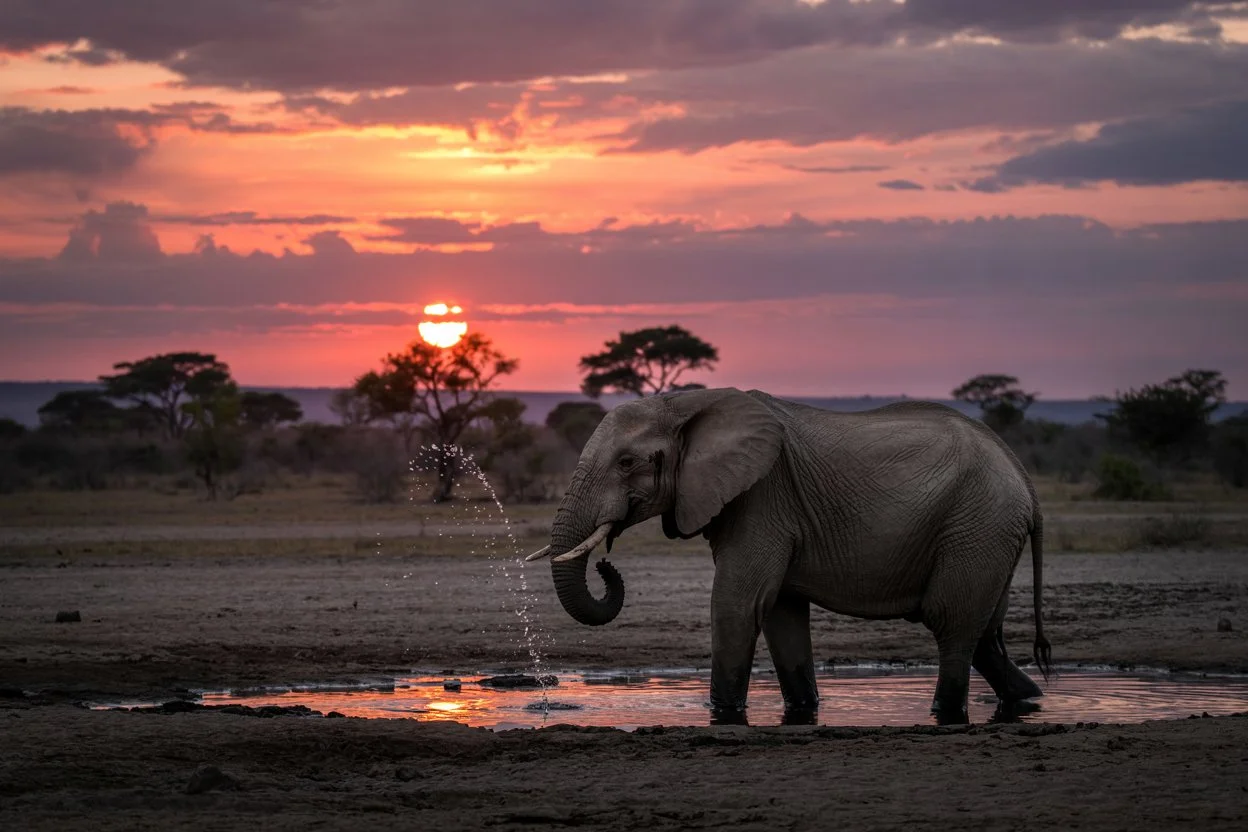
Known for its lush vegetation, Tarangire is one of Tanzania’s greener parks, featuring river valleys, swamps, and iconic baobab trees. It’s also home to the largest concentration of elephants in the world, with herds of hundreds often seen wandering the park. In addition to elephants, you can spot lions, giraffes, zebras, baboons, and countless bird species. For me, Tarangire was the perfect way to start my safari.

Serengeti National Park
Serengeti National Park, located in northwest Tanzania, is the country’s oldest and most iconic park. Spanning 5,700 sq mi (14,763 sq km), the Serengeti is known for its grassland plains and the Great Migration, an awe-inspiring annual movement of millions of wildebeest and zebra. The park is divided into five distinct regions: Central Serengeti, Western Corridor, Northern Serengeti, Southern Serengeti, and Eastern Serengeti. While it’s possible to see all of the “Big Five” here, some—like the leopard and rhinoceros—can be difficult to spot.
I spent my second day of safari in the Southern Serengeti, hoping to witness the migration, and it didn’t disappoint. Not only were there countless wildebeests but also zebras and predators like lions and cheetahs. It was a fantastic experience. With fewer vehicles in the area, we were able to get quite close to the animals.
The third day was spent in the Central Serengeti, a region known for its classic Serengeti landscapes. Here, we were lucky enough to spot a leopard, as well as hyenas, gazelles, antelope, and even a desert tortoise. Both days offered unforgettable encounters.
Ngorongoro Conservation Area
The Ngorongoro Conservation Area, a UNESCO World Heritage Site since 1979, is one of Tanzania’s most incredible destinations. Named after the iconic Ngorongoro Crater, the area is home to breathtaking landscapes and an extraordinary amount of wildlife. The crater itself is the world’s largest intact and inactive volcanic caldera, formed around 2.5 million years ago when a massive volcano collapsed.
Today, the crater’s nutrient-rich floor supports one of the densest animal populations on Earth. Spanning 10–12 mi (16–19 km) in diameter, the open grasslands provide an ideal grazing habitat for herds of wildebeest and zebra. The crater is estimated to be home to approximately 25,000 large animals, including a thriving lion population and the critically endangered black rhino. Above the crater rim, the surrounding conservation area is dotted with Maasai villages, and you’ll often see Maasai herders tending to their livestock along the roads.
We spent our final day of safari exploring the Ngorongoro Conservation Area. Within the crater, it’s possible to see all of the “Big Five”, though the rhino can be challenging to spot. Thanks to our skilled guide, we were fortunate to see two rhinos, a highlight of the trip.

Where to Stay on Safari
When planning a safari in Tanzania, choosing the right accommodation is an essential part of the experience. Lodging is usually included in safari packages offered by tour operators. However, it is also possible to book accommodations independently. Many lodges and camps can assist with organizing game drives, guided walks, and other activities. Below are three great options offering unique stays




 German
  English
Schreibe einen Kommentar