
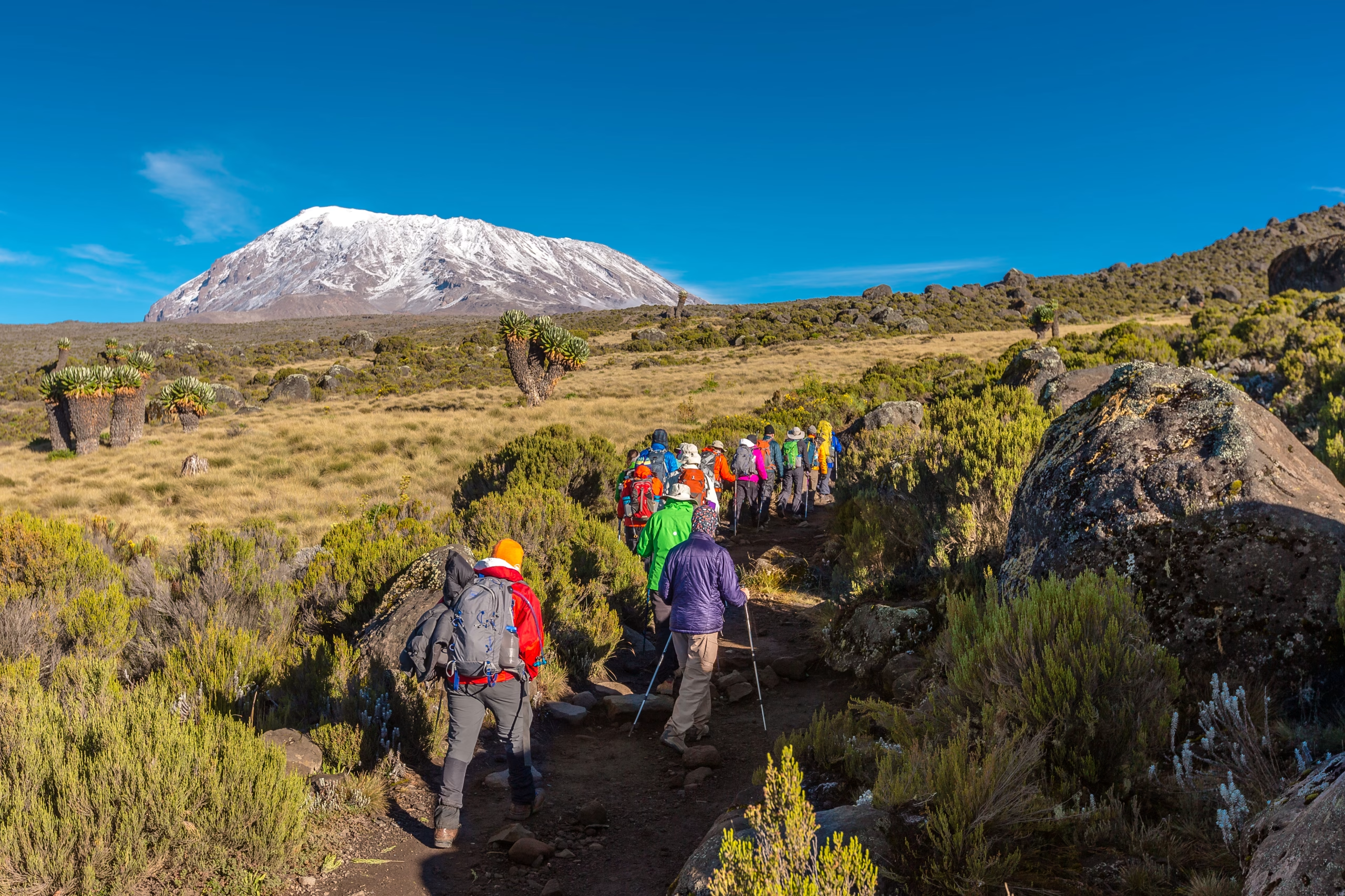
Standing at 5,895 meters (19,341 feet) above sea level, Mount Kilimanjaro is the highest free-standing mountain on Earth and is widely known as the Roof of Africa.
Kilimanjaro is among the most sought-after trekking destinations in Africa, offering a remarkable journey that does not require technical mountaineering skills. With a reasonable level of fitness and proper preparation, climbers of all backgrounds can reach its summit.
This guide was designed to support travelers in preparing for their Kilimanjaro expedition with confidence. Built on over five years of professional guiding experience and more than 100 successful ascents, it delivers practical, firsthand knowledge on summit success rates, route selection, costs, physical training, acclimatization strategies, insurance, arrival logistics in Tanzania, safety standards, and other essential considerations — all informed by real experience on the mountain.
Kilimanjaro Success Rate Calculator
EVALUATE YOUR PHYSICAL CONDITION/STAMINA:
I can run 2 miles
Poor
Fair
Good
Excellent
HAVE YOU CLIMBED ABOVE 13,000 FEET IN THE LAST 12 MONTHS?NoYesCalculate
Routes like Lemosho, Machame, Rongai, and the Northern Circuit have the highest summit success rates on Kilimanjaro with itineraries of 7 days or longer. We recommend choosing a 7–8 day climb as the optimal length to give your body enough time to acclimatize and to greatly reduce the risk of Acute Mountain Sickness (AMS).
How Hard Is It to Climb Mount Kilimanjaro?
Can a Beginner Climb Kilimanjaro?
Yes, Kilimanjaro is accessible to beginners with no trekking experience. The key factor isn’t hiking skills but proper acclimatization, which is best achieved on a 7–8-day route. To improve your chances of reaching the summit, choose a reliable outfitter and follow your guides’ safety instructions.
For insights on what to expect on your Kilimanjaro climb,
If you’re wondering how to physically prepare, check out our detailed.
Based on our data from 7 to 8-day route adventures, the chance to reach the top of Kilimanjaro in Altezza’s expeditions is close to maximum.At the core of these trips are expert WFR guides, trained by our in-house safety expert, unlimited bottled oxygen at each expedition, medical kits with everything one may need Kilimanjaro, branded new gear and the use of routes with smooth acclimatization.
Kilimanjaro Day-by-Day: What to Expect on the Mountain
Kilimanjaro Itinerary
Planning to climb Kilimanjaro? Explore our beginner-friendly 12-day package, which includes a seven-day climb up Mount Kilimanjaro. After the expedition, unwind with a two-day safari in the stunning Tarangire and Ngorongoro national parks. This comprehensive itinerary is ideal for experiencing all of Tanzania’s top attractions and includes days for arrival and departure, as well as a rest day.
What You Need to Know Before You Climb Kilimanjaro
Best Time to Climb Mount Kilimanjaro
Late December to early March and mid-June to late October are the best times for a Kilimanjaro climb. This is when the Kilimanjaro weather is nearly ideal. Although other months have rain, it doesn’t mean there are constant heavy showers. Typically, rains begin in the latter half of the day. This allows trekkers a significant window of clear weather every day during the rainy season. There are also days without any rain.
How Much Does It Cost to Climb Mount Kilimanjaro?
As of 2025, a comfortable and safe 7-day group climb costs about $2900. A shorter 5-6-day adventure or a season-discounted trip comes at $2300-2500. This amount includes the park entrance fees, which make up about 35% of the total trip cost. Any trekking companies offering below this amount should warrant caution.
Low prices always correlate with the mistreatment of porters. The crews of budget operators are often underpaid and poorly fed, putting their and hikers’ safety at risk.
How Should I Train to Climb Kilimanjaro?
A moderate fitness level is key to a comfortable and successful Kilimanjaro climb. This means you should be able to run 5 km (3 mi) without difficulty and hike 10 km (6+ mi) in a day. The best ways to train include swimming, cycling, running, and hiking.
Altitude Sickness and the Dangers of Climbing Kilimanjaro
The biggest risk on Kilimanjaro is acute mountain sickness caused by poor acclimatization. In severe cases, it can lead to cerebral or pulmonary edema, both life-threatening conditions that cause about ten deaths per year on the mountain.
Fortunately, AMS is easy to prevent. Choose a seven-day or longer itinerary, stay hydrated, and walk slowly to allow proper altitude adaptation. Guide expertise is crucial — choose an operator whose Kilimanjaro guides are certified Wilderness First Responders, trained to handle emergencies and evacuations.
What to Pack to Climb Mount Kilimanjaro?
A Kilimanjaro trek takes you through five climatic zones, from tropical forests to Arctic conditions. Temperatures range from -15°C (5°F) at the summit at night to +20°C (68°F) at the base. The weather is unpredictable — sunshine can quickly turn to rain or wind and back again. For a safe and comfortable trek, you’ll need proper clothing, footwear, sleeping bag, trekking poles, and other essentials.
Expert Opinion
Do not underestimate Kilimanjaro: 5,895 meters (19,341 ft) is a serious height. Poor acclimatization can cause high-altitude sickness. Sadly, tragedies happen each year. The primary cause is choosing low-cost operators. They use substandard equipment, while their unqualified guides lack first aid and emergency management skills.
Best Kilimanjaro Routes for Climbers
Known as the ‘Whiskey Route,’ Machame is popular for its scenic variety, traversing diverse landscapes from rainforest to alpine desert. It offers 6- or 7-day itineraries, with the longer option providing far better acclimatization.
Pros: Highly scenic with varied landscapes; good acclimatization profile on longer itineraries.
Cons: Can be crowded during peak seasons; 6-day option offers less time for acclimatizatio

Machame Route
The Machame hiking trail is the second most popular on Kilimanjaro. It starts in the tropical rainforest on the southern slope of the mountain. Beginners should choose the seven-day option for a better acclimatization profile. Many of the Altezza’s group climbs go via the Machame Route.
Kilimanjaro Group Climbs: 2025–2027 Departures
Choose a private Kilimanjaro climb if you want a fully customized experience. It’s just you, your family or friends, and our expert team — on your schedule, at your pace, with an itinerary tailored to your needs. This is ideal for those who value privacy and flexibility.Or join one of our open-group climbs and share the adventure with fellow trekkers from around the world. Group climbs offer great camaraderie, team spirit, and the chance to connect with like-minded travelers, while still enjoying the same top-level service and safety standards.
52 reasons to choose Excited Expedition
on Mt Kilimanjaro
Discover what makes us the most trusted and well-prepared Kilimanjaro operator — from safety and training to every detail on the mountain.
How to Book Your Mount Kilimanjaro Climb with Excited Expedition
Booking your Kilimanjaro climb with us is simple — reserve your spot with just a $100 deposit. After that, you’ll receive access to your personal trip account, where you can easily fill in your medical information, allergies, food preferences, and gear details. Your consultant will stay in touch with you at every stage, ready to assist with any questions and help you prepare thoroughly for a safe and successful summit.
Climb Kilimanjaro FAQs
Can You Recommend a Reliable Travel Insurance to Climb Kilimanjaro?
Excited Expedition recommends Global Rescue, known for reliable reimbursements. Your coverage should include three important things. These are high-altitude hiking up to 6000 meters, helicopter evacuation, and medical services.
How Do I Get to Mount Kilimanjaro?
The easiest way to reach Mt Kilimanjaro is by flying into Kilimanjaro International Airport (JRO) in Tanzania. From there, it’s a 50-minute drive to Moshi where most climbs begin. Major airlines such as Turkish Airlines, Qatar Airways, KLM, Ethiopian Airlines, and Air France offer flights to JRO.
Alternatively, you can fly into Dar es Salaam and take a local flight to Kilimanjaro, though this may come with extra costs for domestic flights and baggage fees. Another budget-friendly option is to fly into Nairobi, Kenya, and take a bus to Moshi, but keep in mind the additional costs of a Kenyan transit visa ($21) and the bus transfer ($45), with a total journey time of about seven hours.
Highest point
Uhuru Peak
5,895 m / 19,341 ft
The Tallest
Free-Standing Mountain in the world
TOP-5
Tallest mountains in the world measured from the Earth’s center
Famous for
The Highest
Mountain in Africa
The Highest
Volcano in the Eastern Hemisphere
UNESCO
World Heritage Site
Famous for
One of the
Seven Summits
One of the few places in Africa to see
Glaciers
First climb
1889
Hans Meyer and Ludwig Purtscheller
First Female Ascent
1927
Sheila McDonald
Other Facts
Biodiversity
Kilimanjaro is home to roughly 3,000 plant, insect, and bird species, including numerous endemic species found nowhere else on Earth
Climate zones
Rainforest / Heather / Moorland / Alpine / Arctic
Best Time to Climb Kilimanjaro: Rainy vs. Dry Seasons
Tanzania has two rainy seasons and two dry seasons. The short rainy season begins in early November and lasts until late December. It is followed by the dry season, which lasts until mid-March. Then the season of long rains begins, ending in mid-June.
You should consider the northern slopes to climb Kilimanjaro during the rainy season. According to the data we received from the Tanzania Meteorological Authority, this part of the mountain receives five times less rainfall. Good Kilimanjaro route to choose from are Rongai, Northern Circuit, and Marangu.
How Long Does It Take to Summit Kilimanjaro?
Climbing Kilimanjaro takes at least 5 days, but most expeditions last between 6 and 8 days, as a longer itinerary significantly improves acclimatization and increases the chances of reaching the summit. Extended routes, including options with an overnight stay in the crater, can last 10 days or more. Choosing a route with a well-designed acclimatization program helps achieve a 98.5% Kilimanjaro summit success rate.

 German
  English
Schreibe einen Kommentar